Why Cold Plunge Therapy Is Having a Moment in 2026
Cold water immersion has been practiced for centuries, but in 2026 it's gone mainstream — from elite athletes to biohackers to everyday wellness enthusiasts. The key differentiator here is the science: unlike many wellness trends, cold plunge therapy has a growing body of research supporting its benefits for recovery, mood, and metabolic health.
But starting cold therapy incorrectly can be uncomfortable at best and unsafe at worst. This guide gives you the exact protocol, the right equipment guidance, and the realistic expectations you need to build a sustainable practice.
The Science: What Cold Plunging Actually Does to Your Body
Understanding the physiological response helps you use cold therapy more intentionally:
- Norepinephrine spike: A 2-minute cold plunge can increase norepinephrine levels by 300% — this is responsible for the mood boost and focus enhancement many users report
- Inflammation reduction: Cold exposure constricts blood vessels and reduces inflammatory cytokines, speeding muscle recovery
- Brown fat activation: Regular cold exposure stimulates brown adipose tissue (BAT), which burns calories to generate heat — linked to improved metabolic health
- Dopamine baseline: Research from Dr. Andrew Huberman's lab shows cold exposure can elevate dopamine levels for several hours post-plunge
- Resilience training: The mental discipline of entering cold water deliberately transfers to stress resilience in other areas
Step 1: Check Medical Clearance
Cold plunging is not appropriate for everyone without medical consultation. Consult your doctor before starting if you have:
- Cardiovascular disease or irregular heart rhythms
- Raynaud's disease
- Peripheral arterial disease
- Blood pressure issues (cold causes a temporary blood pressure spike)
- Pregnancy
Newsletter
Get the latest SaaS reviews in your inbox
By subscribing, you agree to receive email updates. Unsubscribe any time. Privacy policy.
Step 2: Start with Cold Showers
Don't begin with a full plunge. Build your cold tolerance progressively:
- Week 1–2: End every shower with 30 seconds of cold water
- Week 3–4: Increase cold shower time to 60–90 seconds
- Week 5–6: Try a full cold shower for 2–3 minutes
- Week 7+: Introduce cold plunge immersion starting at 60°F (15°C)
This progression dramatically reduces the shock response and builds the psychological resilience that makes plunging sustainable long-term.
Step 3: Choose Your Equipment
Your equipment choice depends on your budget, space, and goals:
| Option | Cost Range | Best For |
|---|---|---|
| Ice bath tub (DIY) | $50–200 | Budget, outdoor use, temperature managed with ice |
| Dedicated cold plunge tub | $200–2,000 | Consistent use, indoor/outdoor, insulated |
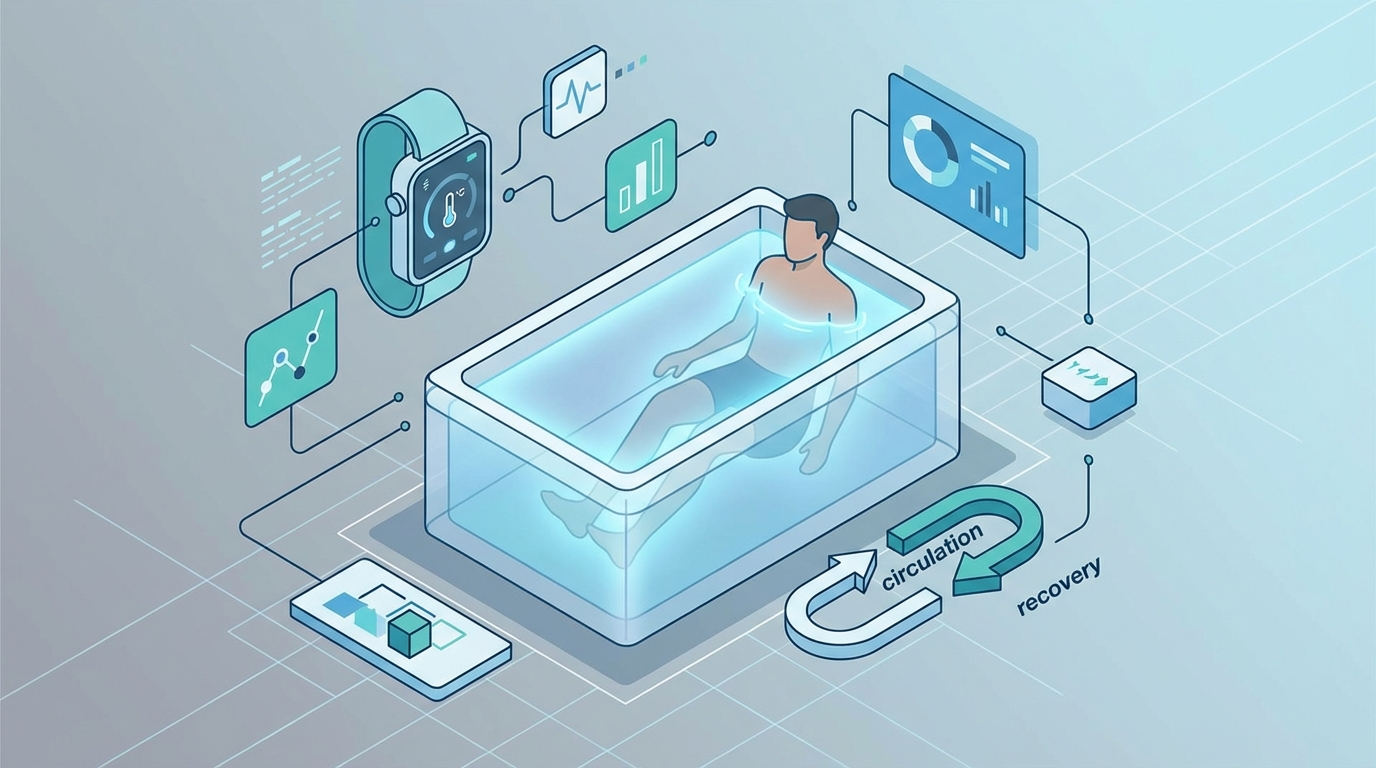
| Chiller + tub system | $2,000–6,000 | Set-and-forget temperature control, frequent use |
| Premium smart tub | $6,000–15,000+ | App control, filtration, ozone cleaning, gym/studio use |
For most beginners, a quality dedicated tub in the $500–1,500 range delivers the best balance of usability and cost.
Step 4: Your First Plunge Protocol
When you're ready for your first plunge, follow this protocol:
- Target temperature: Start at 55–60°F (13–15°C). Don't start at 39°F — you'll hate it and quit.
- Duration: 1–2 minutes maximum for your first plunge
- Breathing: Controlled, slow exhales through the mouth. Do NOT hyperventilate.
- Entry: Enter slowly and deliberately. Give your body 20–30 seconds to adapt before full immersion.
- Timing: Morning plunges are ideal — the norepinephrine boost provides energy for the day. Avoid plunging within 4 hours of sleep.
- Warm-up: Let your body warm up naturally post-plunge. Resist jumping straight into a hot shower — the contrast is great, but allow 5–10 minutes first.
Step 5: Build Your Practice
Consistency is everything in cold therapy. Research suggests 11 minutes total per week (across 2–4 sessions) is sufficient to achieve measurable metabolic and mood benefits. A sustainable weekly routine:
- Monday, Wednesday, Friday: 2–3 minute plunges at 50–55°F
- Saturday: Optional longer session (4–5 minutes) at slightly warmer temperature
The Bottom Line
Cold plunge therapy delivers real, measurable benefits when practiced correctly and consistently. The key differentiator here is protocol: starting too cold, too long, or without proper progression is why most beginners quit. Build your tolerance progressively, invest in equipment that makes consistency easy, and treat cold exposure as a practice — not a challenge.